KAILASA TRINIDAD & TOBAGO On 25/8/2024
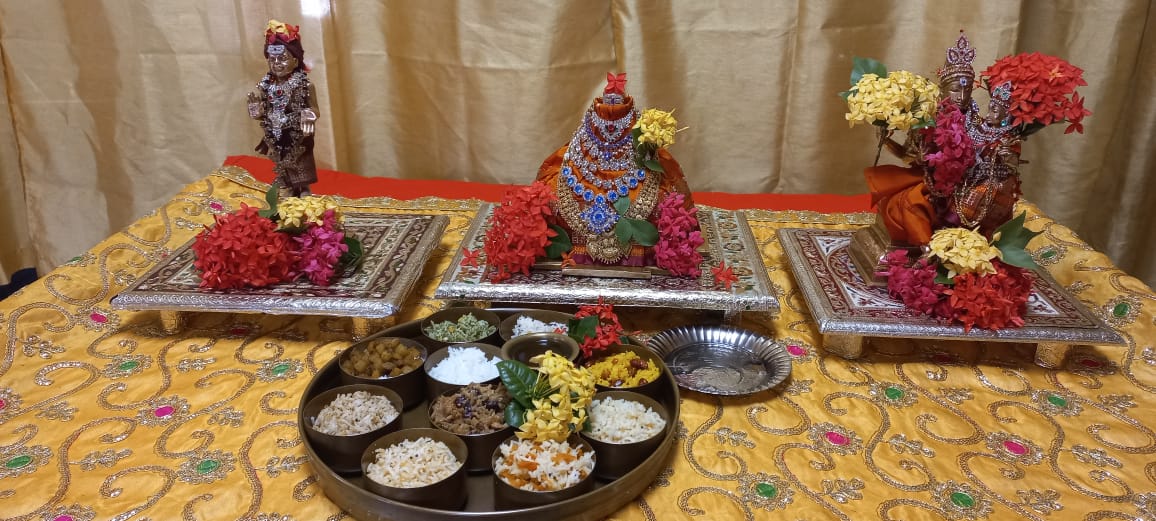
With the blessings of THE SUPREME PONTIFF OF HINDUISM (SPH), BHAGAVAN SRI NITHYANANDA PARAMASHIVAM — the ultimate manifestation, Paramavatara of Paramashiva — KAILASA Trinidad & Tobago consecrated the sanctity of the day, August 25, 2024, by conducting extensive Daily Temple Sevas & Sangha Activities (Nithyotsavam). This full day of dedication was focused on reviving authentic Hindu rituals and spiritual technologies in the Caribbean region, demonstrating the continuity of the ancient enlightened Sanatana Hindu civilization. The sacred schedule spanned from the early morning Suprabatam Seva through the late-night Palliarai Sevas, ensuring the continuous presence of Paramashiva’s state, space, and being. The systematic execution of these daily rituals by 2 dedicated volunteers underscores KAILASA’s global mission of giving superconscious breakthrough to humanity and preserving ancient indigenous traditions through revival.
Daily Temple Sevas & Sangha Activities
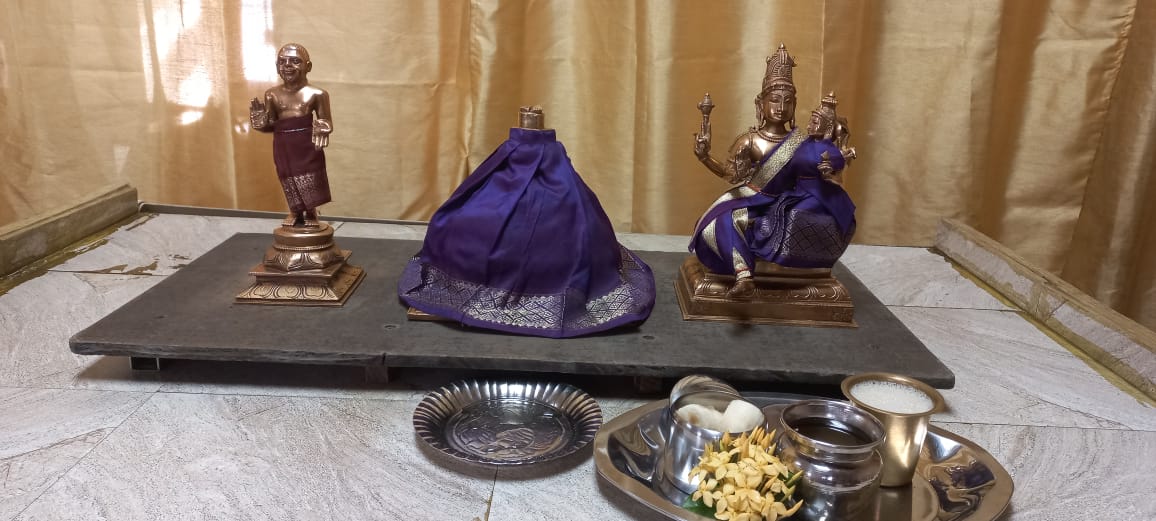
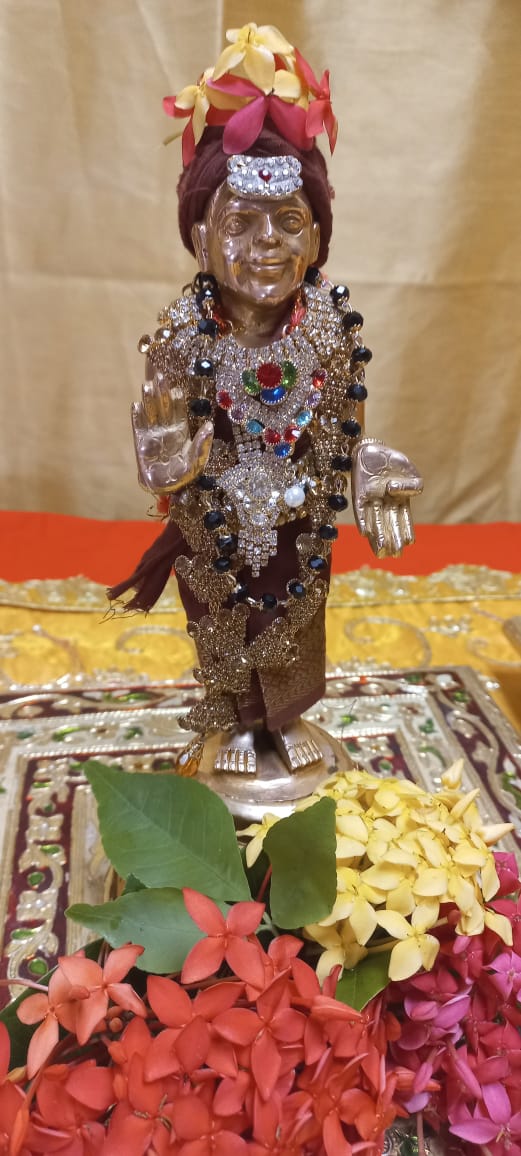
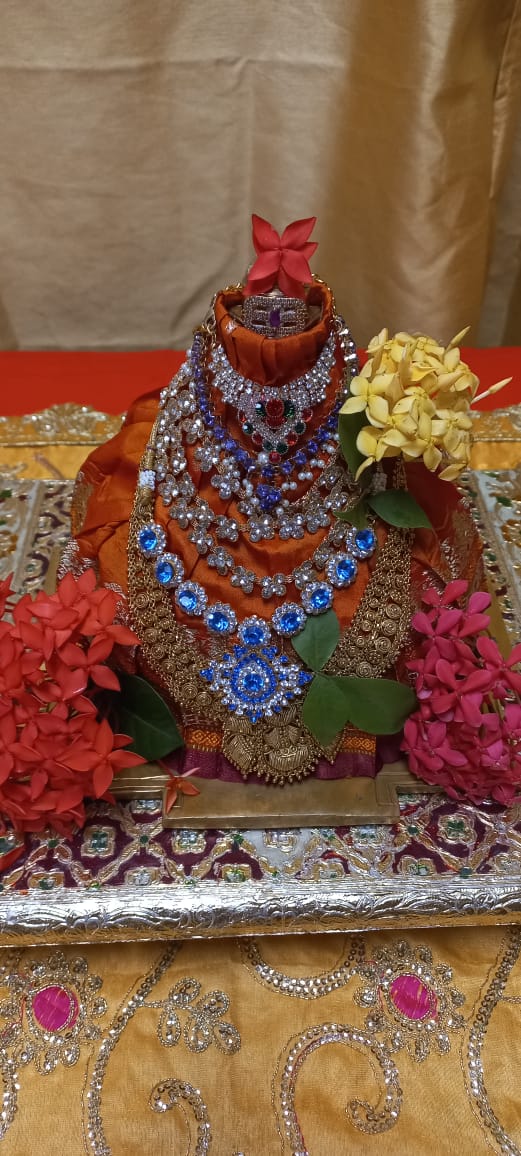
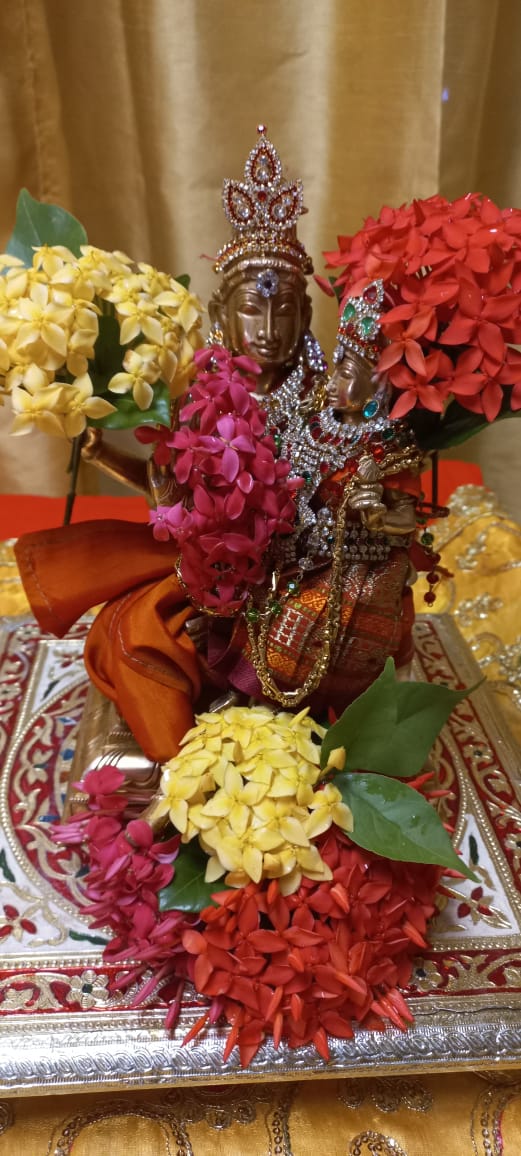
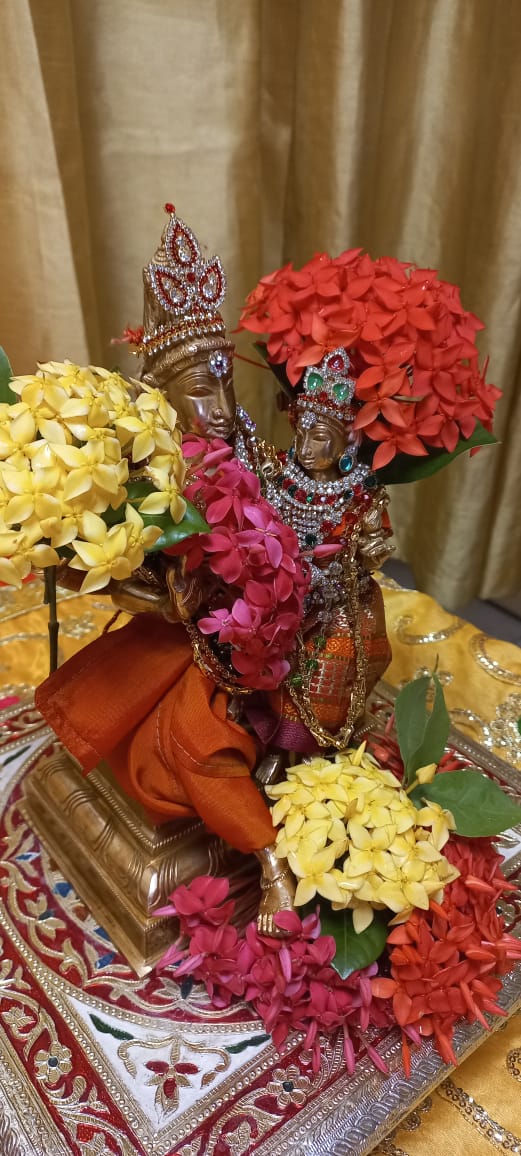
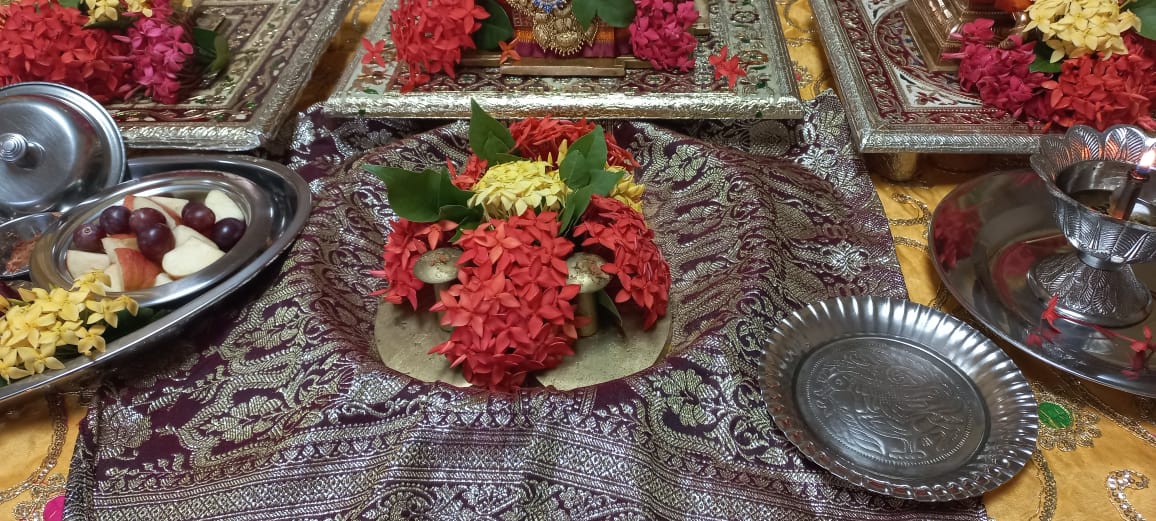
The day at KAILASA’s Hindu Temple in Trinidad & Tobago was defined by meticulous adherence to authentic Ved-Agamic pujas and sevas, ensuring that every moment was an offering to Paramashiva as guided by THE SPH. The morning rituals commenced with Suprabatam Seva (waking up the deities), immediately followed by Laghu Puja which included an initial Naivedyam offering of warm sweetened milk, water, and fruit. A significant portion of the morning was dedicated to preparing for the daily Abhishekam, which involved filling the water, preparing clothes and jewelry for the deities, and setting up all necessary puja vessels.
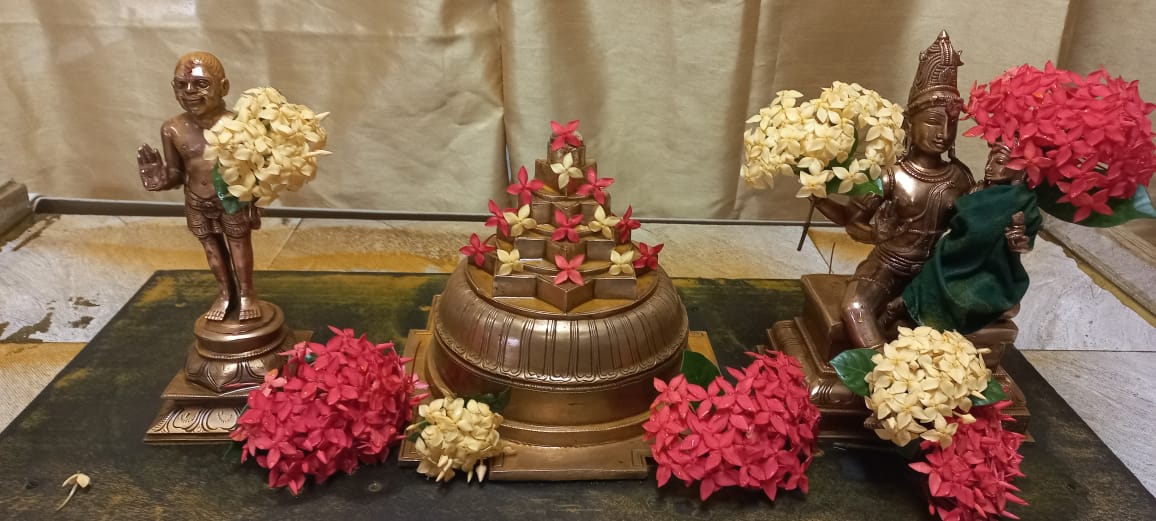
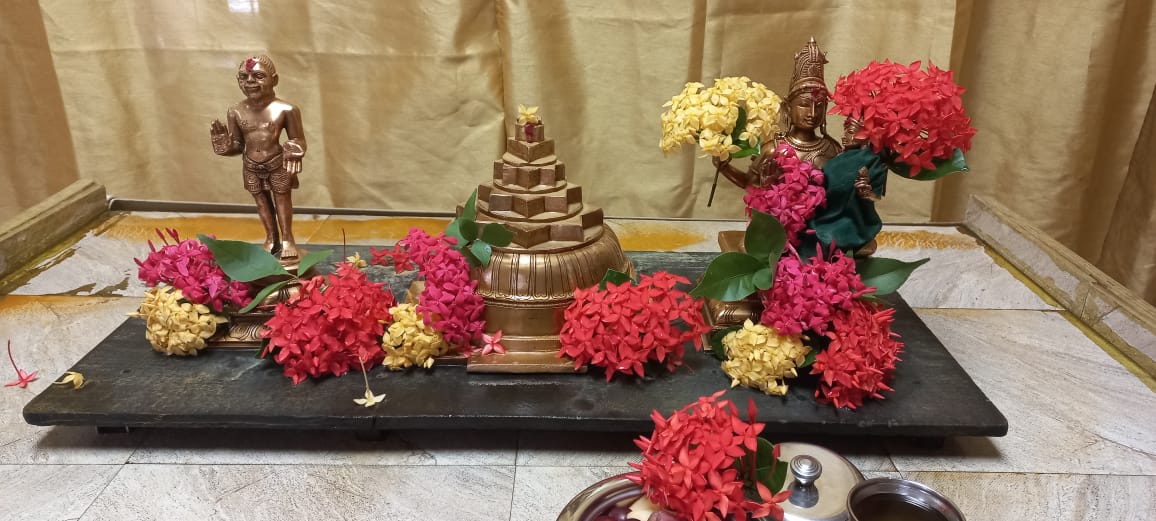
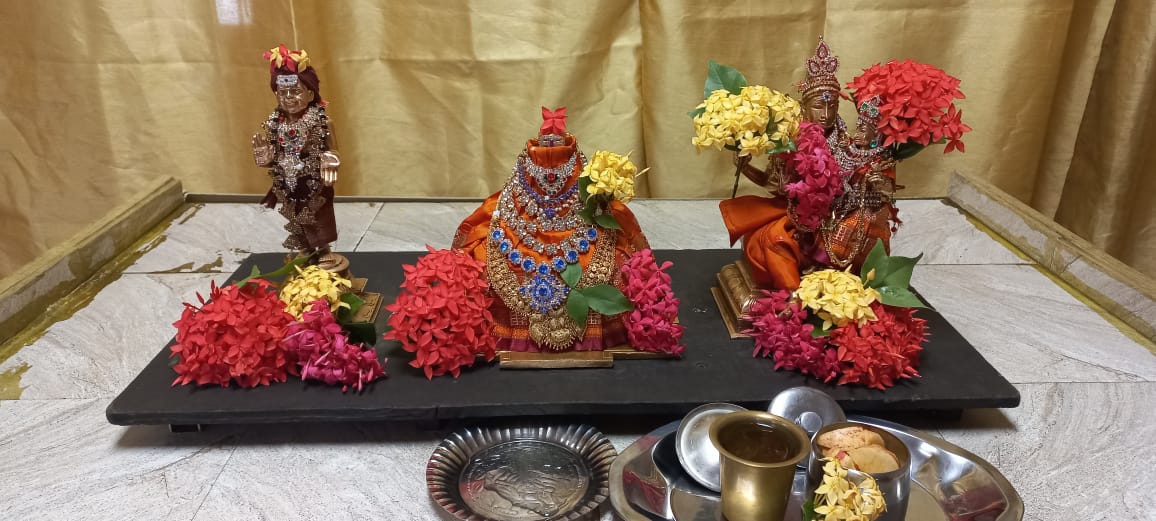
The main Abhishekam was offered using traditional ingredients such as amla, turmeric, and sandalwood bath, concluding with an additional Naivedyam offering. Following the cleansing ritual, all vessels were cleaned and the sacred space was prepared for Deity Alankaram (adorning the deities). A second Laghu Puja was then performed to officially close the Abhishekam ritual. Dedicated volunteers proceeded to perform the essential seva of preparing vegetables and cooking 10 rice Naivedyams, which were subsequently offered via Laghu Puja. This preparation ensures the consecrated offering of food, contributing to THE SPH’s global humanitarian initiative for the nourishment of all beings. The morning sevas culminated with the performance of Guru Puja, revering the Guru Parampara and establishing the direct connection with THE SPH.
The meticulous dedication of the 2 volunteers was evident not only in the ritual performance but also in the extensive cleaning and maintenance activities, including washing all dishes, puja vessels, sweeping and mopping the floor, and conducting general cleaning and replenishment checks throughout the temple premises. The tradition of offering Chamran Fanning (sacred fanning) was performed after each ritual, symbolizing respect and reverence.
The evening rituals began with the preparation and performance of the full Padhuka Puja, a powerful spiritual technology connecting the devotees to the divine grace of THE SPH. This was followed by preparing lamps for the 5-minute evening Aarti, utilizing both oil and camphor lamps. The evening continued with a simple Naivedyam offering, typically a cooked rice dish like poha. As the day concluded, preparations for the Palliarai Sevas (putting the deities to bed) began at 8 pm, involving the preparation of mattresses, pillows, and blankets. The final ritual involved the last Laghu Puja for the day, with a Naivedyam offering of warm sweetened milk, water, and harritakki. The deities were put to rest accompanied by the playing of the Udal and the performance of Oonjal (swing) and Chamran fanning, before the premises were thoroughly cleaned, checked, and closed, thus completing a full cycle of devotion and service manifesting the state, space, and being of Paramashiva.