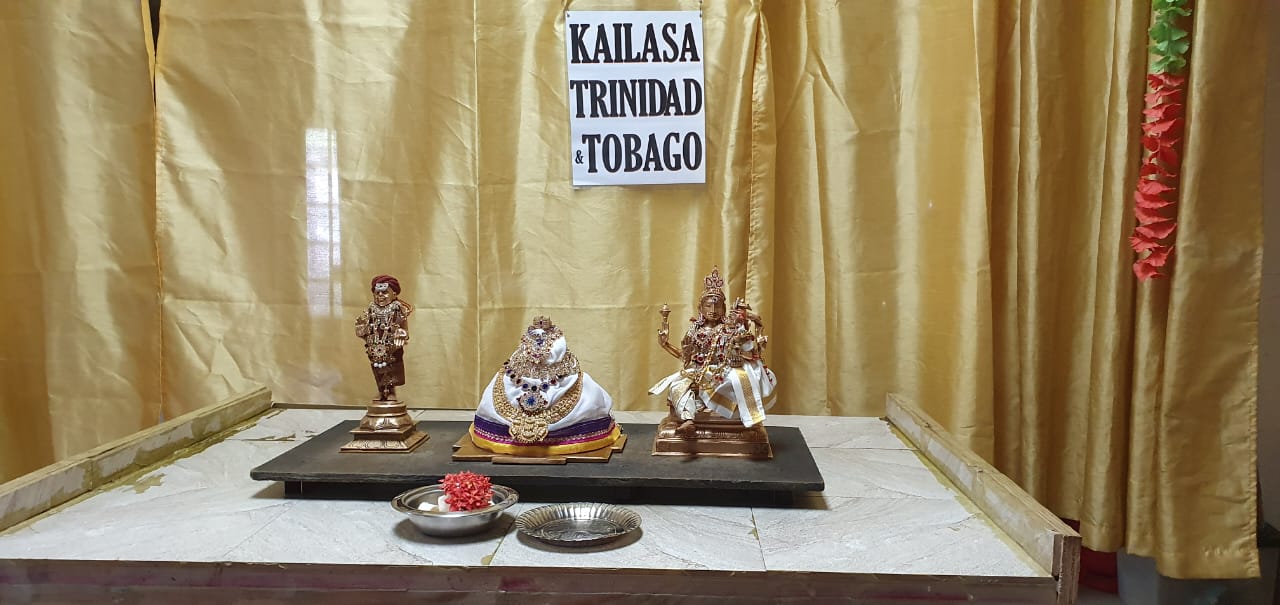
KAILASA TRINIDAD & TOBAGO On 7/10/2024
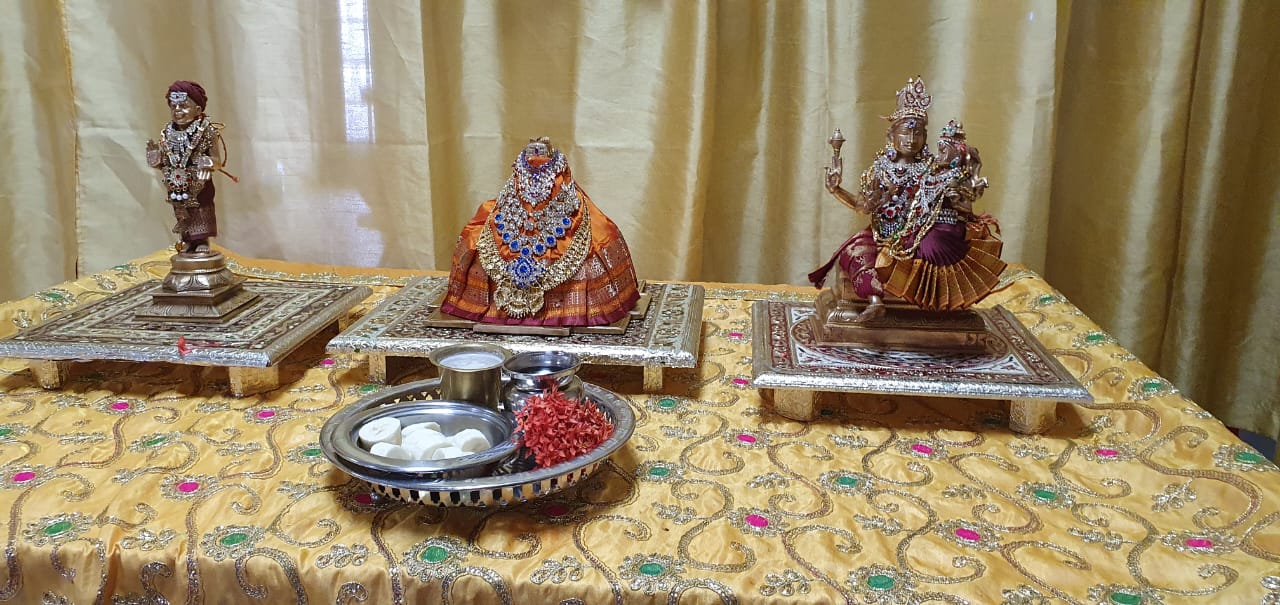
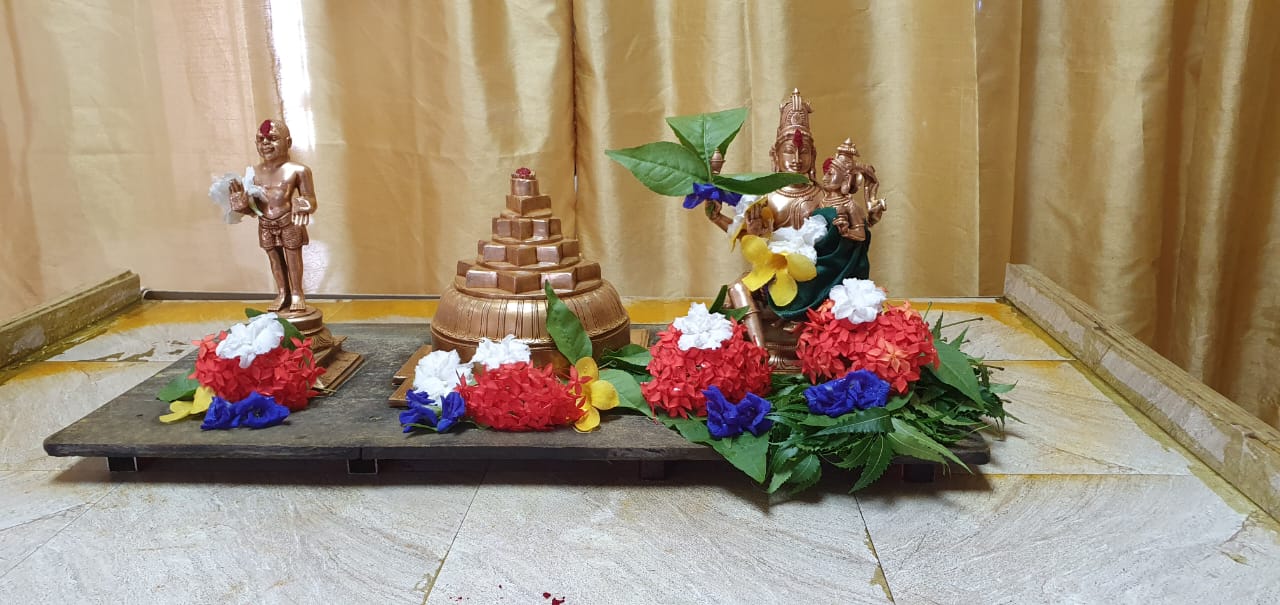
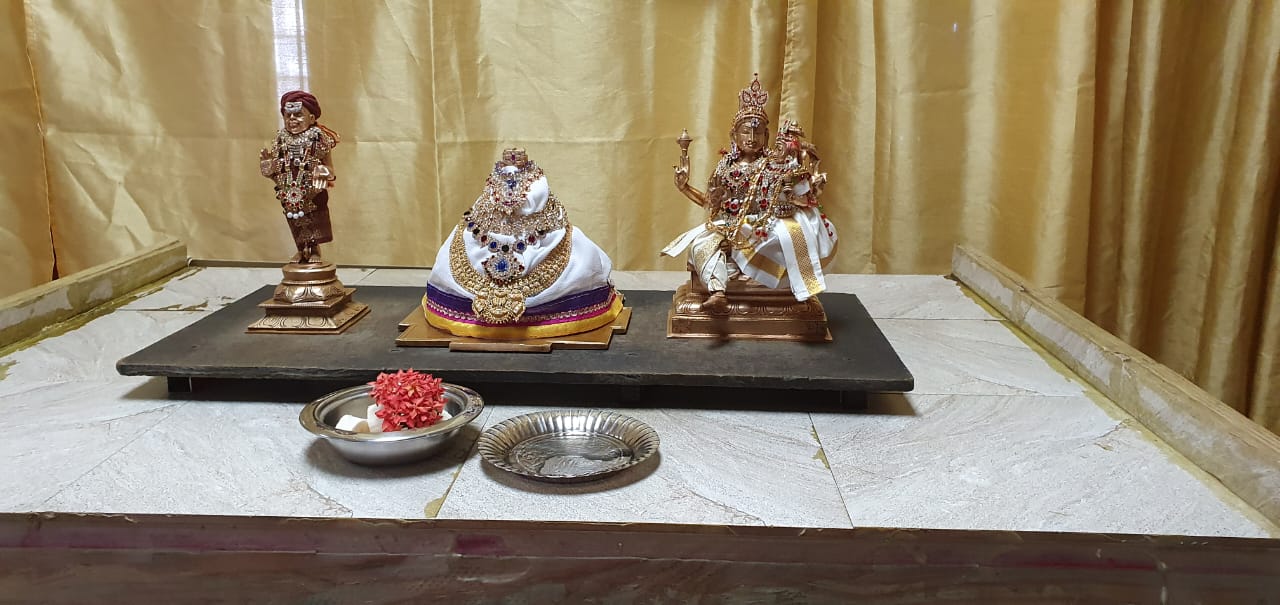
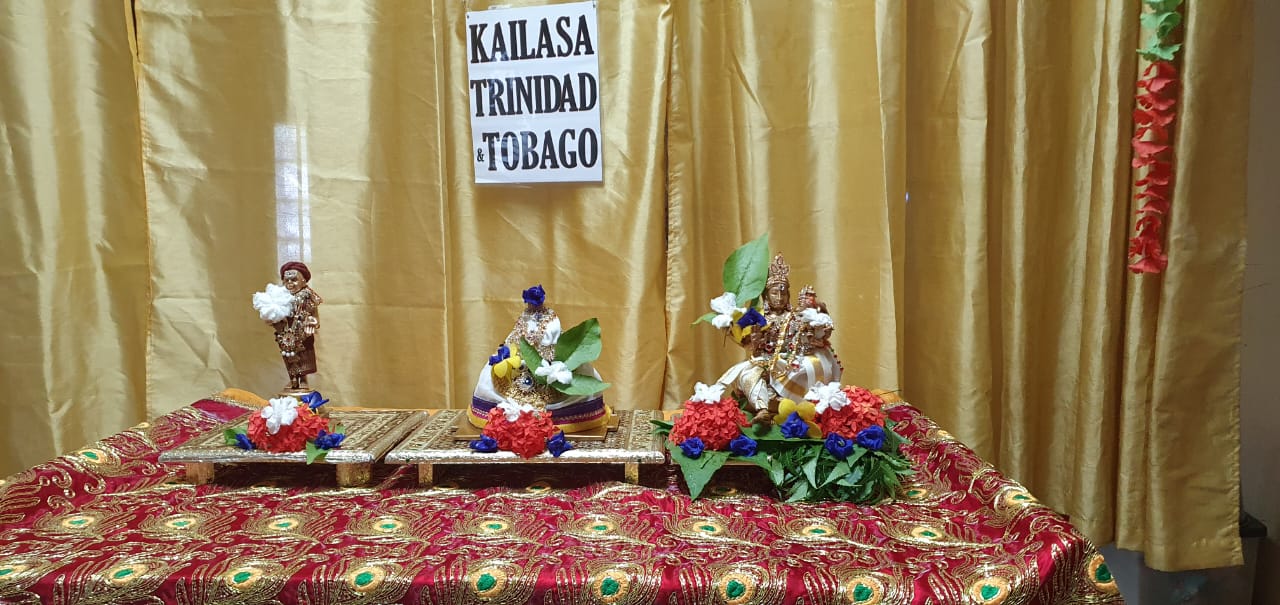
With the blessings of THE SUPREME PONTIFF OF HINDUISM (SPH), BHAGAVAN SRI NITHYANANDA PARAMASHIVAM — the ultimate manifestation, Paramavatara of Paramashiva — KAILASA TRINIDAD & TOBAGO conducted the daily Daily Temple Sevas & Sangha Activities on 7 October 2024. These intensive Nithyotsavam rituals, performed by a dedicated devotee, centered around the revival of authentic Hindu sciences and traditions in the Caribbean region. The sacred morning included the preparation and execution of the Rudra Abhishekam, meticulous Deity Alankaram, and extensive Guru Puja rituals, culminating in the offering of 15 Naivedyams (sacred food offerings) to the deities. These daily sevas are fundamental to KAILASA's mission of establishing an enlightened ecosystem, radiating the divine energy required for devotees to connect with THE SPH and manifest the state, space, powers, being and superconsciousness of Paramashiva, thereby bringing peace and prosperity to the entire community.
Daily Temple Sevas & Sangha Activities
The Daily Temple Sevas & Sangha Activities represent the continuous dedication of KAILASA TRINIDAD & TOBAGO to reviving the Ved-Agamic tradition under the direct guidance of THE SPH. These rigorous daily rituals, known as Nithyotsavam, are essential for maintaining the highly sacred and powerful ecosystem within the KAILASA temple, transforming it into a spiritual powerhouse for the community. The extensive morning schedule was diligently executed by a dedicated volunteer, demonstrating the unwavering commitment of KAILASA to preserving ancient indigenous traditions through the revival of KAILASA - the ancient enlightened Sanatana Hindu civilizational nation.
The rituals commenced with the traditional Morning Aarti, followed by the first Laghu Puja which included Naivedyam offerings of milk, fruits, and water. A central component of the morning worship was the detailed preparation and execution of the sacred Rudra Abhishekam, the ritual bathing of the deities, ensuring all necessary puja vessels, clothing, and jewelry were organized beforehand. The Abhishekam offerings involved traditional sacred substances such as amla, turmeric, and sandalwood bath, along with a dedicated Naivedyam offering. Cleanup immediately followed the Abhishekam, ensuring the area was pristine and the deities were ready for adornment.
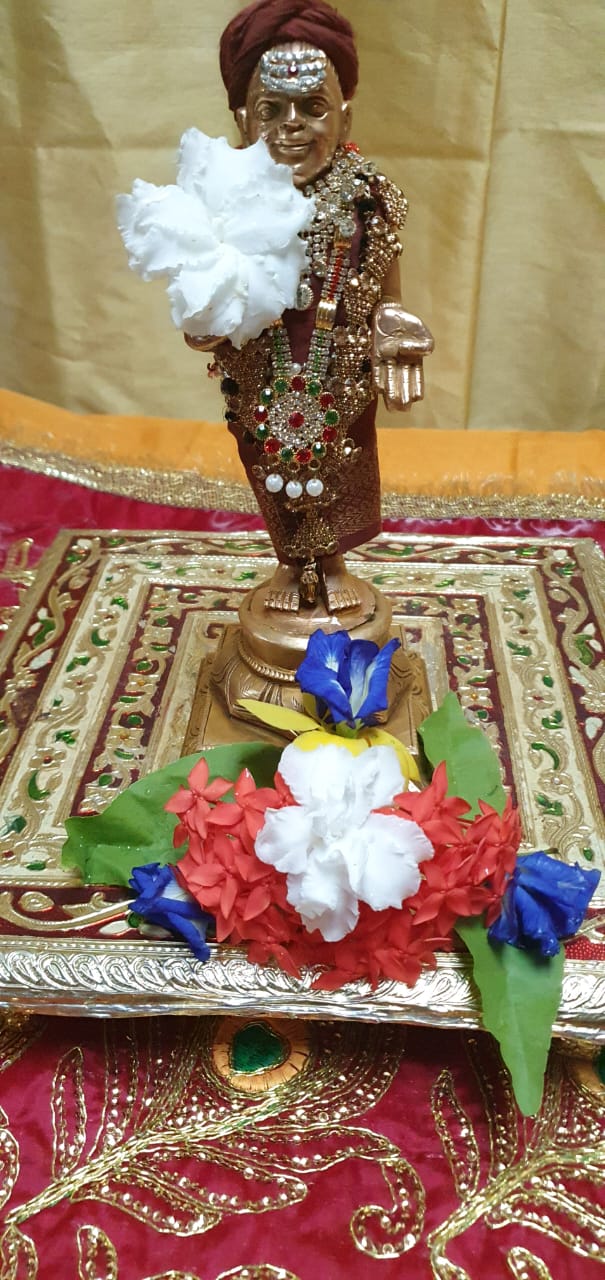
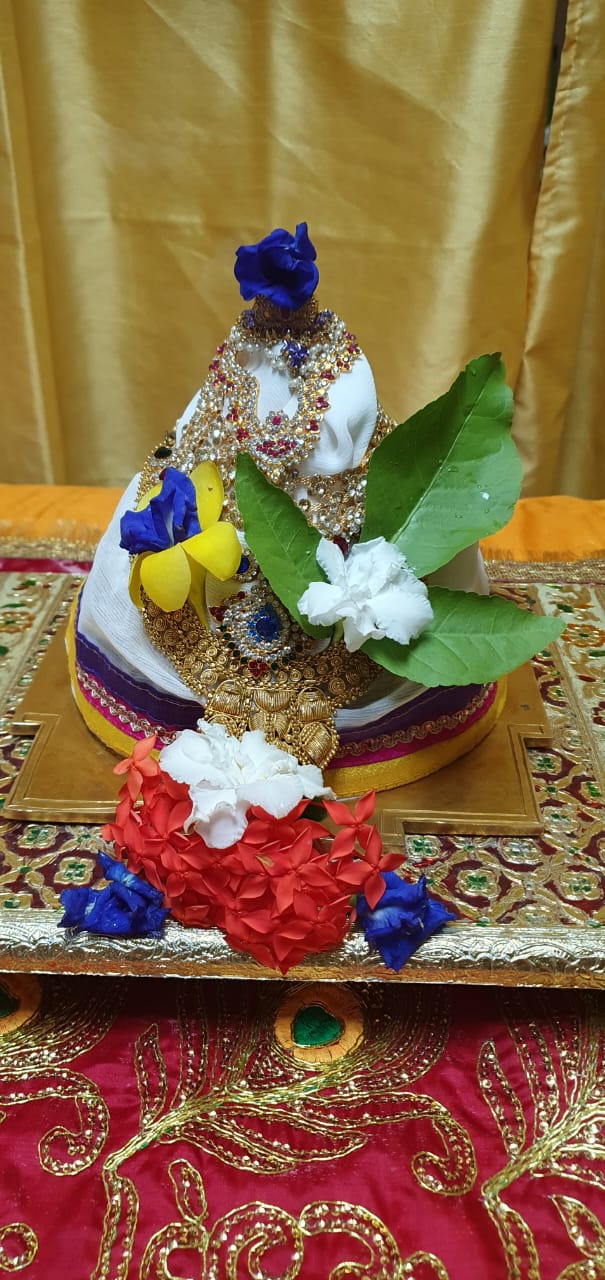
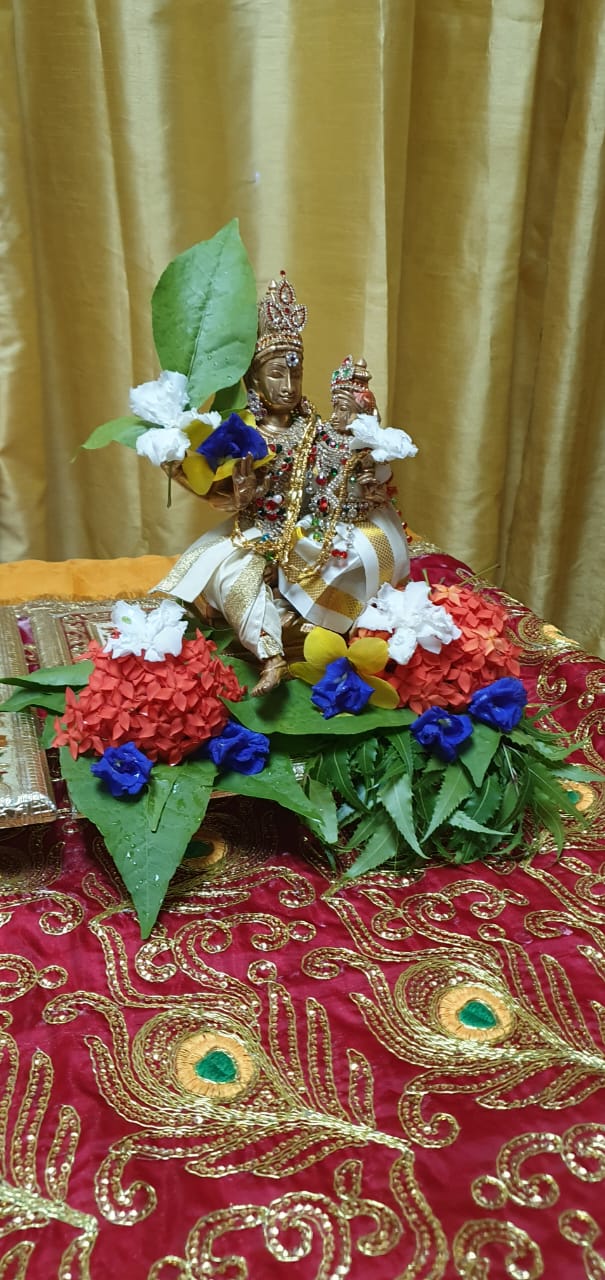
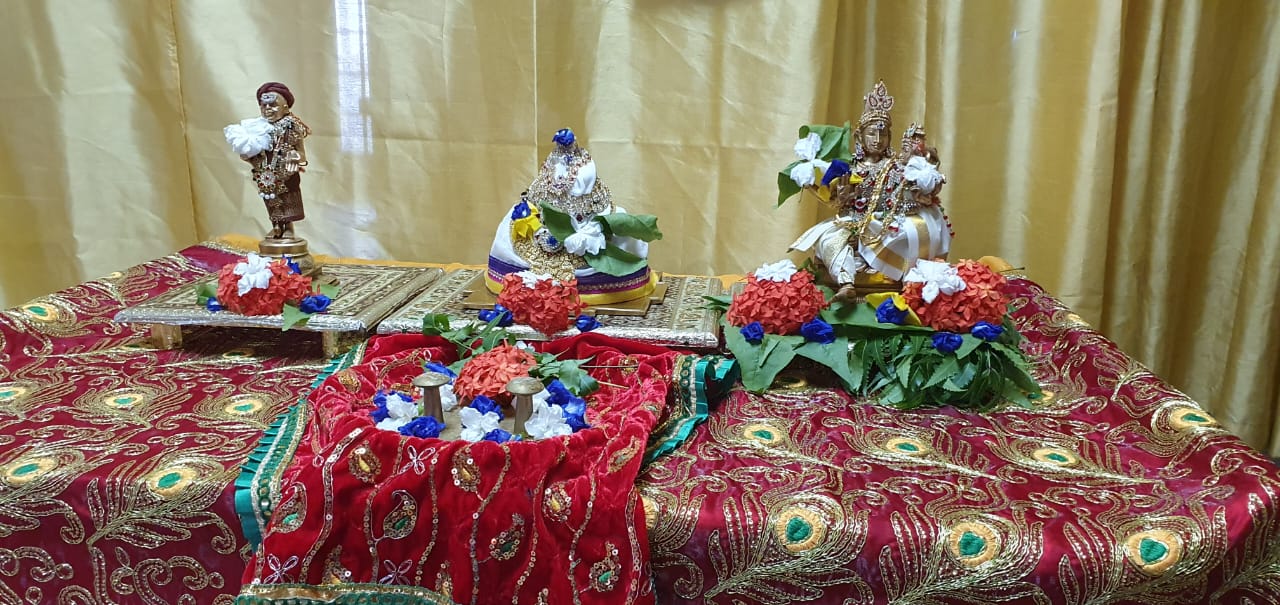
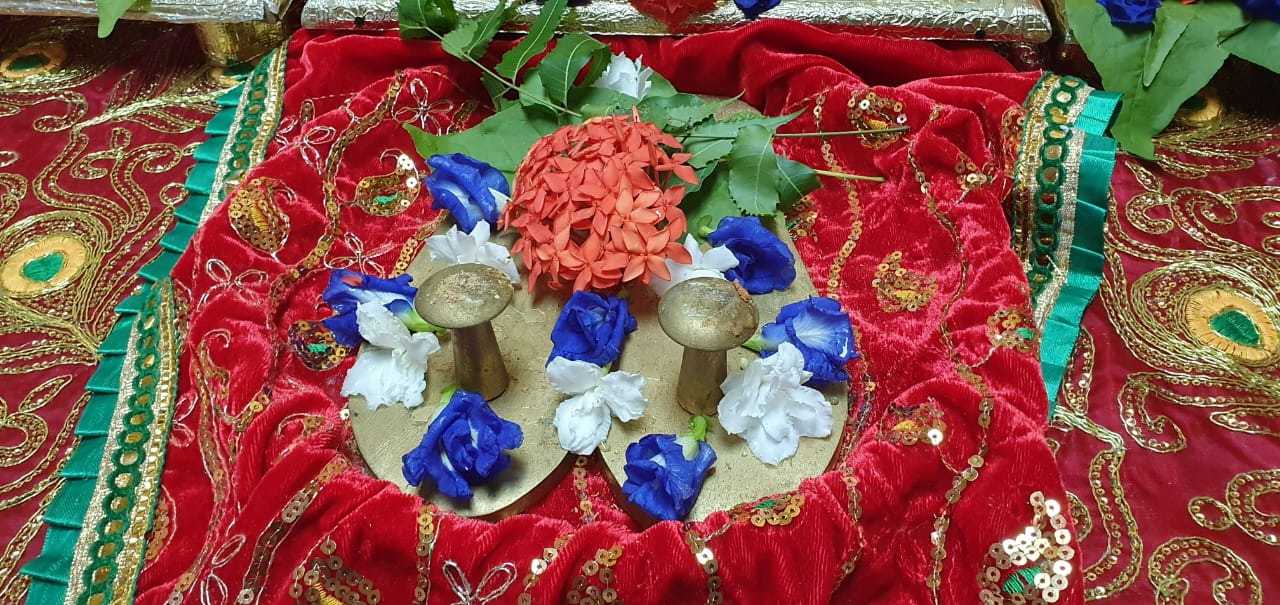
Following the purification, the deities received Deity Alankaram, a sacred ceremony where they were meticulously dressed and adorned with jewelry, thus enhancing their divine presence and expressing profound respect for the divine forms. The complex morning cycle concluded with multiple phases of offering. A second Laghu Puja was offered, marking the conclusion of the Abhishekam sequence. Significantly, fresh vegetables were cooked and ten rice Naivedyams were prepared and offered during a third Laghu Puja, bringing the total number of Naivedyams offered during the morning rituals to 15. The spiritual services culminated with the sacred Guru Padhuka Puja, honoring the divine lineage and the living Master, THE SPH.
Throughout the rituals, the tradition of Chamaram Fanning was observed at the end of each segment, symbolizing reverence and service to the deities. Following the spiritual activities, the physical space was meticulously cared for, including comprehensive cleaning of all dishes and puja vessels, quick inventory checks, and hand-washing of towels used during the rituals. This detailed devotion ensures the continuous flow of divine grace and blessings from THE SPH and all the gods and goddesses of KAILASA, fulfilling the mission of human consciousness awakening and revival of Hindu civilization in the region.